
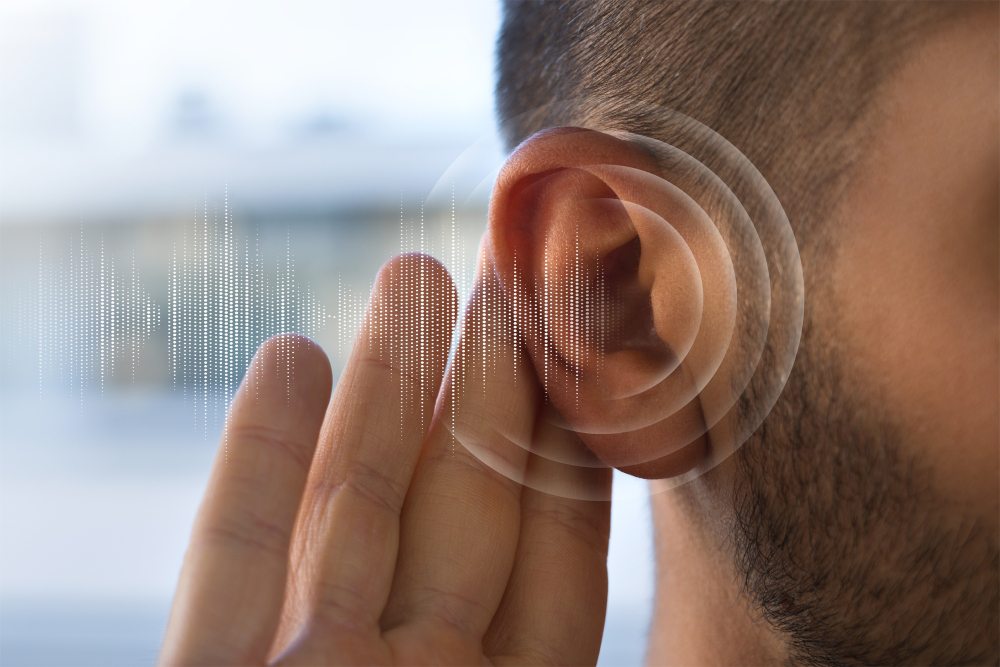
What Is Hearing Loss?
Hearing loss means you cannot hear sounds as well as most people. It can affect one or both ears. Many people wonder about the signs of hearing loss or how to prevent hearing loss. Some worry about hearing loss treatment options. Hearing loss can happen at any age. However, it is more common in older adults. According to the World Health Organization (WHO), over 5% of people worldwide have some hearing loss. Early care can help you manage this condition better.
Common Symptoms of Hearing Loss
Often, hearing loss develops slowly. Because of this, you may not notice it right away. Still, some signs can help you spot the problem early. For example, you may:
If you notice these signs of hearing loss, it is important to seek help. Early action can make a big difference.
Causes of Hearing Loss
There are many reasons why hearing loss can happen. Sometimes, it is due to aging. Other times, it is caused by loud noise or infections. Here are some common causes:
Sometimes, hearing loss is present at birth. In other cases, it develops over time. Knowing the cause helps guide the right treatment.
How Hearing Loss Is Diagnosed
If you think you have hearing loss, see an ENT specialist. First, the doctor will ask about your symptoms. Next, they will look in your ears. After that, you may have a hearing test. This test checks how well you hear different sounds. Sometimes, more tests are needed to find the cause. For example, the doctor may order scans or blood tests. Early diagnosis can help you get the best care.
Treatment Options for Hearing Loss
Treatment depends on the type and cause of hearing loss. Some options include:
In many cases, hearing loss treatment can improve your quality of life. However, not all types of hearing loss can be cured. Still, there are ways to manage the condition.
Tips for Living with Hearing Loss
Living with hearing loss can be challenging. Yet, many people find ways to cope. Here are some helpful tips:
With the right support, you can stay active and connected.
Prevention of Hearing Loss
While some causes of hearing loss cannot be avoided, many can. To protect your hearing, you can:
Taking these steps can help prevent hearing loss and keep your ears healthy.
In summary, hearing loss is a common problem, but help is available. If you notice any signs of hearing loss, do not wait. Consult an ENT specialist at Jindawali Ent & Ortho Clinic for personalized guidance on hearing loss.