
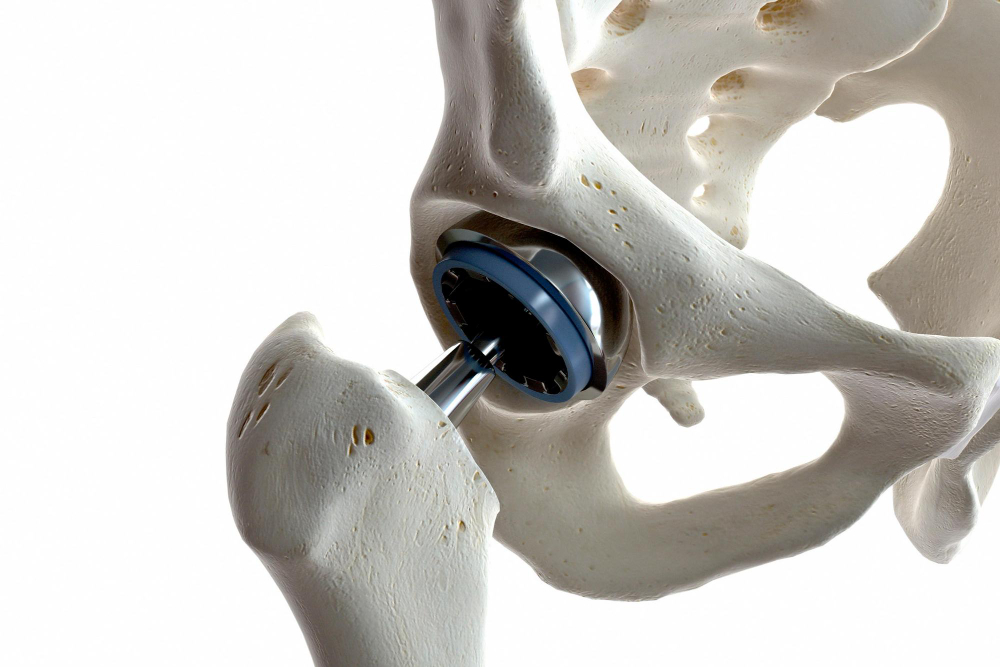
Hip replacement is a surgery where a damaged hip joint is replaced with an artificial one. Many people with severe hip pain or stiffness may benefit from this procedure. Often, hip replacement helps people move better and enjoy daily activities again. In this blog, you will learn about hip replacement, when it is needed, how the surgery is done, and what to expect during recovery.
Indications for Hip Replacement
Not everyone with hip pain needs surgery. However, some signs show when hip replacement may be the best choice. Usually, doctors suggest hip replacement when other treatments do not help. For example, you may need hip replacement if:
Common causes include osteoarthritis, rheumatoid arthritis, or a hip fracture. According to the CDC, hip replacement is safe and effective for many people with joint problems.
The Hip Replacement Procedure
Doctors follow several steps during hip replacement surgery. Understanding these steps can help you feel more prepared. Here is a simple overview of the hip replacement procedure steps:
Most hip replacement surgeries take one to two hours. Sometimes, you may go home the same day. Other times, you may stay in the hospital for a short time.
Recovery After Hip Replacement
Recovery is an important part of hip replacement. Usually, people start moving their new hip soon after surgery. Physical therapy helps you regain strength and movement. For example, you may begin walking with help from a walker or crutches. Most people can return to normal activities within three to six months. However, hip replacement surgery recovery time can vary for each person.
During recovery, you may notice:
Always follow your doctor’s advice for the best results.
Tips for a Smooth Recovery
There are many ways to help your recovery go well. For instance, you can:
In addition, eating healthy foods and staying hydrated can speed up healing. If you notice signs of infection, such as redness or fever, call your doctor right away.
Prevention and Lifestyle Guidance
While some hip problems cannot be prevented, you can lower your risk with healthy habits. For example, you can:
Moreover, after hip replacement, avoid high-impact sports or activities that may damage your new joint. Instead, choose low-impact activities to keep your hip strong and flexible.
In summary, hip replacement can greatly improve quality of life for many people. If you have ongoing hip pain, talk to your doctor about your options. Consult an orthopedic specialist at Jindawali Ent & Ortho Clinic for personalized advice on hip replacement.